You’re dancing at a club when that perfect techno track hits, but when you try to identify it later, you come up empty-handed. Unlike pop songs, techno tracks often lack vocals and can be heavily modified by DJs, making them nearly impossible to identify through traditional apps like Shazam.
The key to finding unknown techno songs is combining multiple identification methods, from specialized music recognition tools like TrackSniff, to community-based platforms where electronic music enthusiasts help each other track down elusive beats.
Finding techno songs requires a different approach than identifying mainstream music. Track identification apps often fail with techno because DJs alter the music through mixing and effects, which changes the audio fingerprint these services rely on. Many techno tracks also lack distinctive vocal elements that make songs easier to recognize.
The good news is that the electronic music community has developed specialized tools and methods specifically for this challenge. From dedicated music identification platforms to community-driven databases, you have several powerful options for tracking down those mysterious techno gems that get stuck in your head.
Key Takeaways
- Traditional music recognition apps often fail with techno due to DJ modifications and lack of vocals
- Community-based identification groups and specialized databases are more effective for electronic music
- Combining multiple identification methods increases your chances of finding obscure techno tracks
1. Using Song Recognition Apps and Online Tools
Modern song recognition technology can identify techno tracks in seconds using audio fingerprinting and machine learning algorithms. These tools work particularly well with electronic music due to its distinct digital signatures and consistent beat patterns.
Benefits of TrackSniff for Song Discovery
TrackSniff specializes in electronic music identification and offers superior accuracy for techno subgenres. The platform maintains an extensive database of underground and mainstream electronic tracks.
Key advantages include:
- Advanced beat matching algorithms designed for electronic music
- Recognition of obscure techno releases and vinyl-only tracks
- Integration with electronic music streaming platforms
- Community-driven database with DJ contributions
You can upload audio files directly or record live sets for identification. The tool performs particularly well with minimal techno, acid house, and harder techno variants.
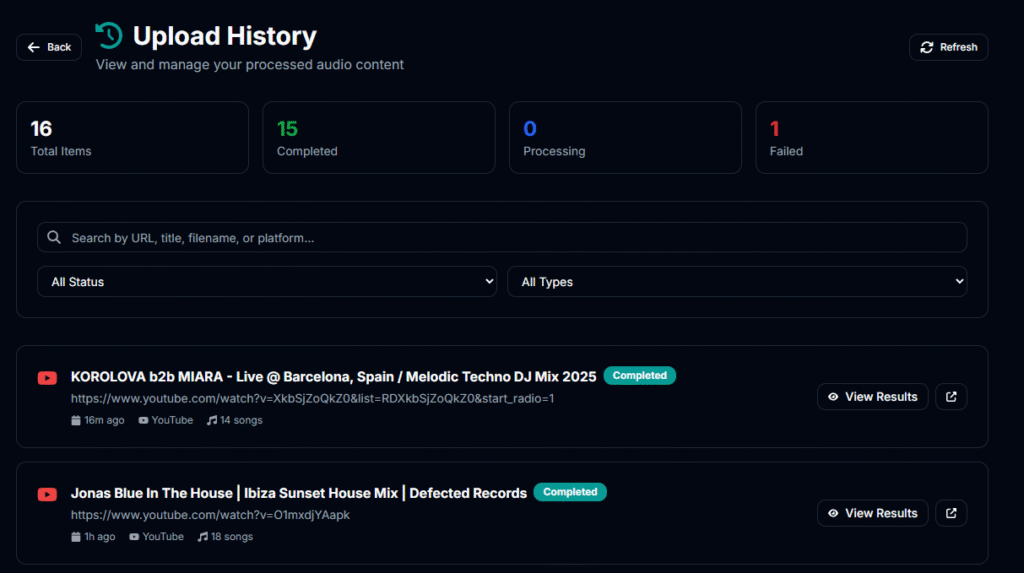
TrackSniff also provides detailed track information including artist name, song title, and remix versions where applicable. This data proves valuable for music fans when searching for specific techno edits or bootlegs.
Leveraging Shazam for Techno Tracks
Shazam remains the most popular song recognition app with over 200 million monthly users. While originally designed for mainstream music, Shazam has expanded its electronic music database significantly.
Shazam works best for techno when:
- The track has distinct melodic elements
- Audio quality is clear without crowd noise
- The song appears on major streaming platforms
You should hold your device close to the audio source for 10-15 seconds. Shazam creates a digital fingerprint and matches it against millions of tracks in its database.
The app stores your identification history automatically. You can sync results with Apple Music or Spotify to build techno playlists from discovered tracks.
For live DJ sets, Shazam may struggle with heavily mixed or layered techno tracks. The overlapping beats and effects can interfere with accurate recognition.
Exploring Alternative Song Identification Platforms
Several specialized platforms offer unique approaches to identifying electronic music beyond traditional apps.
AHA Music provides online song recognition through web browsers without app downloads. Although you can upload audio files to the platform or record directly through your microphone, which is very limiting.

Additional platforms worth trying:
| Platform | Best For | Key Feature |
|---|---|---|
| SoundHound | Humming recognition | Voice-activated searches |
| Musixmatch | Lyrical techno | Real-time lyrics matching |
| WatZatSong | Rare tracks | Community identification |
SoundHound excels at identifying songs through humming or singing. This proves useful when you remember a techno melody but lack audio recordings.
For obscure underground techno, try community-based platforms like WatZatSong. Upload a short clip and electronic music enthusiasts will help identify the track manually.
Virtual assistants like Siri and Google Assistant now integrate song recognition features. Simply say “What song is this?” while techno music plays nearby.
2. Identifying Techno Songs from Recordings
Getting clear audio samples and knowing where to extract them from recordings makes the difference between successful track identification and endless searching. The quality of your audio file directly affects how well recognition tools can match the song.
Extracting Tracks from DJ Sets and Live Events
Target the cleanest parts of tracks during DJ mixes. Look for moments when one song plays alone without overlapping beats or effects.
The best extraction points happen during:
- Intro sections before the mix begins
- Outro portions after transitions end
- Breakdown moments when drums drop out
Avoid sections with heavy reverb, filters, or echo effects. These changes make it harder for music recognition services to match the original track.
Record 15-30 seconds of the cleanest audio possible. Most identification apps need at least 10 seconds to work properly.
Shazam often struggles with underground techno tracks that aren’t in commercial databases.
If automated tools fail, try specialized techno identification communities where experienced listeners help identify obscure tracks.
Optimizing Audio Quality for Accurate Recognition
Clean audio recordings produce better identification results than phone recordings in loud clubs. Remove background noise when possible.
| Audio Quality Factor | Impact on Recognition |
|---|---|
| Sample rate 44.1kHz+ | Essential for accuracy |
| Minimal background noise | Prevents false matches |
| No distortion/clipping | Maintains audio fingerprint |
Boost mid-range frequencies (1-4kHz) where most musical information lives. Lower bass frequencies that cause distortion in phone recordings.
Record directly from speakers when possible instead of through air. This eliminates room acoustics and crowd noise that interfere with recognition.
Multiple short clips work better than one long recording with mixed tracks. Although with the recognition we provide here at TrackSniff, you don’t have to worry about that!
Here’s a sample recording with 30 minutes worth of mixed tracks:
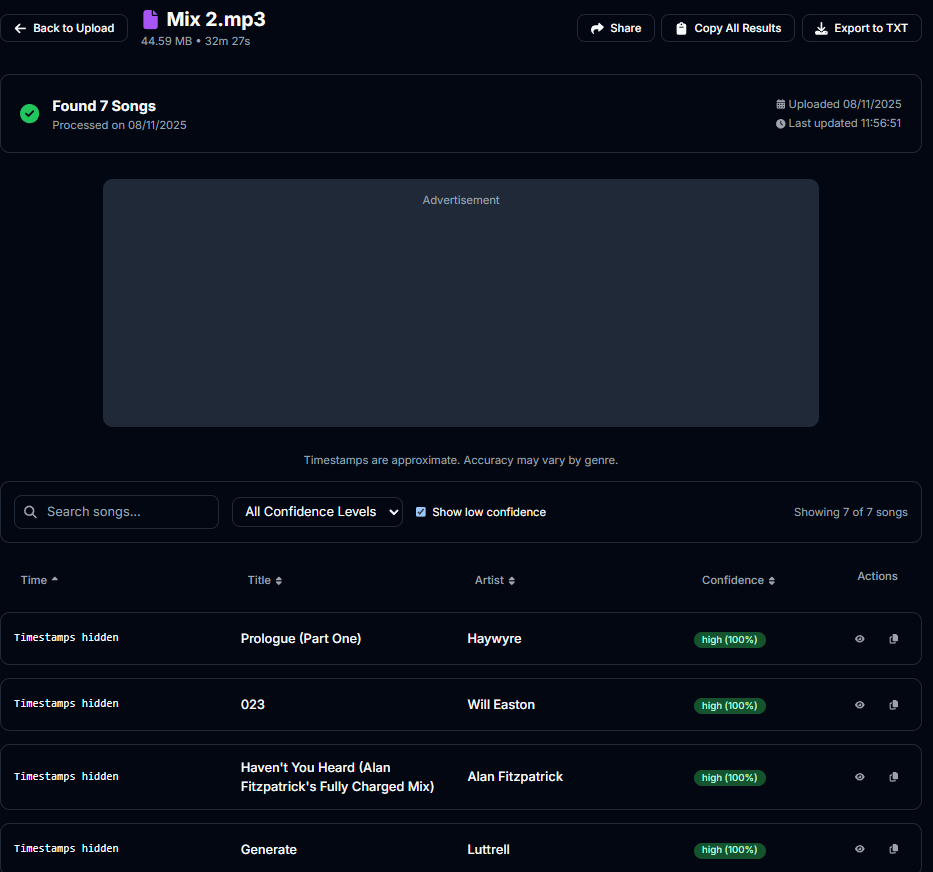
Save recordings in high-quality formats like WAV or FLAC. Avoid heavy MP3 compression that removes audio details needed for identification.
3. Manual and Community-Based Methods
When apps fail to recognize songs, turning to human expertise often yields better results. Music communities have decades of collective knowledge about underground tracks and rare releases.
Posting Audio Clips on Techno Forums
Reddit’s r/Techno community is perfect for finding old techno tracks that mainstream apps miss. Record a 30-60 second clip of the song on your phone.
Post the clip with details like:
- Where you heard it (club name, DJ set, radio show)
- When you heard it (approximate time period)
- Style description (hard techno, minimal, Detroit-style)
Include timestamps if you found the track in a DJ mix. Many forum users know obscure releases by heart.
Other active communities:
- Discogs forums
- Beatport comment sections
- Label-specific Facebook groups
- Local techno scene forums
Response times vary from hours to days. Be patient and check back regularly.
Using Social Media to Crowdsource Answers
Instagram Stories work well for quick identification help. Post a short video clip with the track playing in the background.
Tag relevant accounts like:
- DJs who play similar styles
- Record labels that release techno
- Local promoters in your city
- Music blogs focused on electronic music
Twitter hashtags like #TrackID and #TechnoID connect you with music enthusiasts. Track identification communities often monitor these tags.
Facebook groups dedicated to specific techno subgenres have active members. Search for “Techno Track ID” or “[Your City] Techno Scene” groups.
TikTok can work for newer tracks. Post the clip and ask followers to duet with answers.
Participating in Music Identification Communities
Specialized track identification groups exist across platforms. Many operate as private Facebook groups with strict posting rules.
Popular identification communities include:
- WhoSampled forums
- Rate Your Music groups
- SoundCloud comment sections
- YouTube video comments
Some groups require you to help identify other tracks before posting your own. This creates a helpful community atmosphere.
Best practices for community posts:
- Follow each group’s posting format
- Provide audio quality that’s clear enough to hear
- Include BPM if you know it
- Mention similar artists or tracks
Many experienced collectors browse these groups daily. They often recognize tracks within minutes of posting.
4. Searching by Lyrics, Samples, or Melodies
Techno tracks often contain vocal samples, spoken words, or memorable melodies that stick in your head. Modern search tools can identify songs using just these fragments, even when you only remember a few words or can hum a basic tune.
Finding Songs with Partial Lyrics
Most techno songs don’t have traditional lyrics, but many feature vocal samples or repeated phrases. These snippets are often your best clue for identification.
Put exact phrases in quotation marks when searching Google. Type “welcome to the underground” instead of just welcome underground. This advanced search technique helps find exact matches.
Use specialized lyric databases designed for music discovery. Musixmatch offers powerful lyric search that works well for electronic music samples. The site checks phrases against millions of tracks.
Try variations of what you remember. Vocal samples in techno often come from movies, speeches, or other songs. If you remember “time to dance,” also search “time for dancing” or “it’s time to dance.”
Add context keywords to your search. Include terms like “techno,” “electronic,” “rave,” or “sample” with your lyric phrase. This helps filter results to the right genre.
Searching with Hummed or Whistled Melodies
Techno melodies are often simple and repetitive, making them perfect for humming-based searches. Several apps can identify songs from basic melody fragments.
SoundHound works exceptionally well for hummed melodies. Open the app and tap the search button, then hum the main melody line. The app analyzes pitch patterns and rhythm to find matches.
Google Assistant can identify hummed tunes directly. Say “Hey Google, what’s this song?” then hum for 10-15 seconds. This works on Android phones and Google smart speakers.
Focus on the main melodic element when humming. In techno tracks, this is usually the lead synth line or the most prominent hook. Don’t worry about background elements or bass lines.
Record yourself humming if the first attempt fails. Sometimes apps need multiple tries to recognize patterns. Hum slowly and clearly, emphasizing the rhythm and pitch changes.
5. Advanced Strategies for Finding Obscure Techno Songs
When basic search methods fail, specialized databases and direct contact with industry professionals can unlock rare techno tracks. These approaches require more effort but often yield the best results for truly elusive songs.
Exploring Niche Music Databases
Underground techno lives in specialized platforms that mainstream services miss. Discogs serves as the world’s largest database of electronic music releases. You can search by label, year, and specific sound characteristics.
SoundCloud hosts countless unreleased and rare techno tracks. Use advanced filters to search by upload date, duration, and genre tags. Many underground producers upload exclusive content here.
Specialized music discovery tools help you find songs with the lowest 30% popularity on Spotify. These platforms focus specifically on obscure tracks that rarely get radio play.
Beatport maintains detailed records of techno releases with precise subgenre classifications. Search their archive section for older releases that may have limited distribution.
1001Tracklists documents DJ setlists from events worldwide. If you heard a song at a specific event, search the DJ’s tracklist from that date.
Contacting DJs and Event Organizers
DJs possess deep knowledge of rare techno tracks and often have direct connections to producers. Message DJs on social media with specific details about where and when you heard the track.
Include these details in your message:
- Event name and date
- Approximate time you heard the song
- Key sound elements you remember
- Recording snippet if available
Event promoters maintain relationships with multiple DJs and labels. They often receive promotional tracks weeks before public release.
Radio show hosts who specialize in techno frequently play unreleased material. Many respond to listener inquiries about track IDs. Check show archives and contact forms on station websites.
Record label representatives can identify tracks from their catalog or connect you with the right artists. Focus on labels that match the style you’re seeking.
Verdict – Use TrackSniff!
Finding unknown techno tracks doesn’t have to be frustrating anymore. You have multiple tools and methods at your disposal.
The most effective approach combines several techniques:
- Using audio recognition apps during live sets
- Checking DJ tracklists and social media posts
- Asking the techno community for help
- Exploring music discovery platforms
Modern technology makes identification faster than ever. Tools like TrackSniff can analyze audio from YouTube and Mixcloud links in minutes. You simply paste a link or upload a clip to get complete track information.
Key advantages of using TrackSniff:
| Feature | Benefit |
|---|---|
| Multi-platform support | Works across YouTube, MixCloud and SoundCloud streaming sites |
| Instant results | Get tracks identified in minutes |
| Playlist export | Save discoveries to your platforms |
| Verified accuracy | Multiple detection sources |
You can build your music collection systematically instead of losing tracks forever. The frustration of hearing amazing techno and never finding it again becomes a thing of the past.
Your techno discovery journey becomes much more rewarding when you have the right tools. You’ll spend less time searching and more time enjoying the music you love.
Don’t let unknown tracks slip away. The perfect techno song you heard last weekend is just one identification away from your permanent collection.
Try TrackSniff for free today!

- Reddit Track ID Alternatives: Top Options & Community Insights - November 28, 2025
- How to Find Tracks Used by DJs on SoundCloud: Complete Guide - November 28, 2025
- TrackSniff Adds SoundCloud Support - November 28, 2025