You’ve found an old rave video with an incredible track, but you can’t figure out what song it is. This frustrating situation happens to electronic music fans all the time when digging through vintage footage from underground parties and classic DJ sets.
The good news is that you can identify these elusive tracks using a combination of DJ tracklist generators, music recognition apps, audio extraction tools, and specialized rave community resources. While mainstream song identification apps often struggle with electronic music, especially older or underground tracks, several targeted approaches work much better for rave and dance music.
The challenge with old rave videos is that they often feature unreleased tracks, white labels, or obscure underground music that doesn’t exist in standard databases. You’ll need to combine multiple techniques and tap into the knowledge of dedicated rave communities to track down these hidden gems.
Key Takeaways
- Music recognition tools and apps work best when combined with audio extraction methods and rave-specific communities
- Underground electronic tracks require specialized approaches beyond standard song identification methods
- Dedicated rave communities and forums often provide the most accurate results for obscure dance music
Essential Methods to Identify Songs from Old Rave Videos
Finding tracks from old rave videos requires specialized tools and techniques that work with older audio quality and obscure underground music. Music recognition technology combined with manual research methods provides the best results for identifying these hard-to-find tracks.
1. Getting a TrackSniff Subscription
We offer specialized services for identifying tracks from DJ sets and rave videos. Our service focuses on electronic music genres like techno that mainstream apps often miss. But we don’t just stop there, as we also recognise music from modern EDM festival mixes too!

The platform has access to huge databases of underground and hard-to-find tracks. Many old rave videos contain music that never received commercial releases.
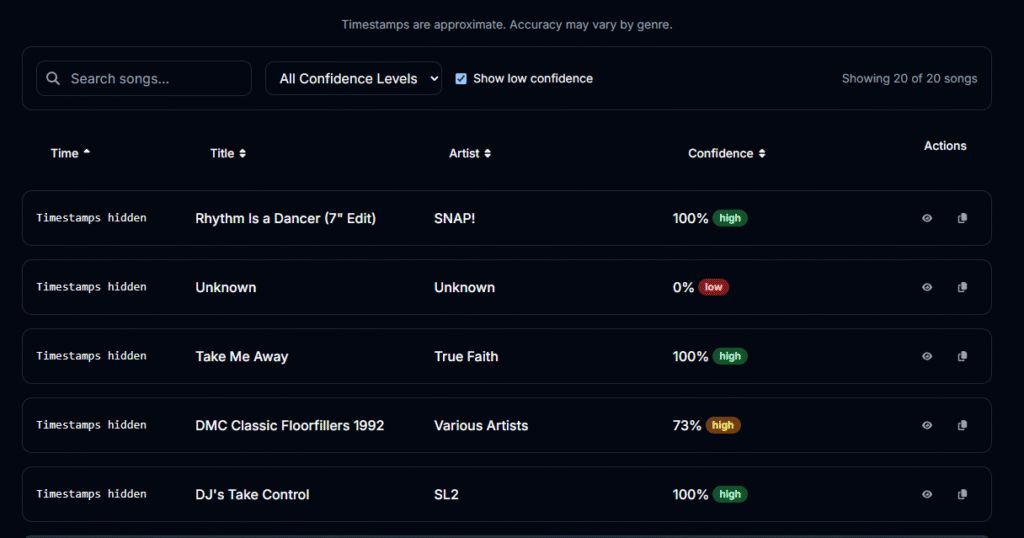
Key benefits include:
- Quick music recognitions for file uploads
- Focus on electronic music genres
- Better success rates for underground music
The service works particularly well for acid house, hardcore, and jungle tracks from the 1990s era.
2. Using Music Recognition Apps
Shazam remains the most popular choice for music identification from videos. Hold your device near the speakers while the track plays for best results.
The app works by creating audio fingerprints of songs. However, Shazam struggles with older rave tracks that lack commercial distribution.
SoundHound offers an alternative approach with humming recognition. This helps when you remember the melody but cannot access clear audio.
Most recognition apps work better with:
- Clear audio without crowd noise
- Tracks longer than 10 seconds
- Music played at normal speed
- Commercial releases rather than bootlegs
These apps fail frequently with white label releases and underground pressings common in old rave scenes.
3. Online Song Identifier Tools
AHA Music provides online music recognition that works directly with uploaded files.
Musixmatch combines lyric searching with audio recognition. This dual approach helps identify vocal tracks from rave videos.
AudioTag allows you to upload audio files for identification. Extract audio from videos first, then upload short clips of individual tracks.
| Tool | Best For | Success Rate |
|---|---|---|
| AHA Music | YouTube videos | Medium |
| Musixmatch | Vocal tracks | High |
| AudioTag | Audio files | Medium |
These online tools are decent for the odd song or two, but not so great for batch processing multiple tracks from long DJ sets.
4. Manual Song Identification Techniques
Start by examining video descriptions and comments for track listings. Many uploaders include partial or complete tracklists in video descriptions.
Search for distinctive lyrics or vocal samples using search engines. Even short phrases can lead to track identification.
Connect with online rave communities and forums. Post audio clips or descriptions to communities focused on specific genres or time periods.
Research techniques include:
- Checking DJ discographies from that era
- Looking up record labels visible in videos
- Cross-referencing with old rave flyers
- Contacting DJs directly through social media
Advanced Strategies and Tools for Tricky Tracks
When standard music recognition apps fail on old rave tracks, you need specialized techniques that work with low-quality audio and obscure releases. These methods involve extracting clean audio files, tapping into dedicated communities, and mining video data for hidden clues.
1. Extracting and Uploading Audio from Video Files
Converting video files to audio format gives you better results with music recognition tools. Most old rave videos use AVI or MP4 formats that contain compressed audio.
Download the video file to your computer first. Use free software like Audacity or VLC Media Player to extract the audio track. Save it as a WAV or MP3 file for best quality.
Upload the extracted audio to multiple recognition services. Our service works well with obscure rave music that other apps miss.
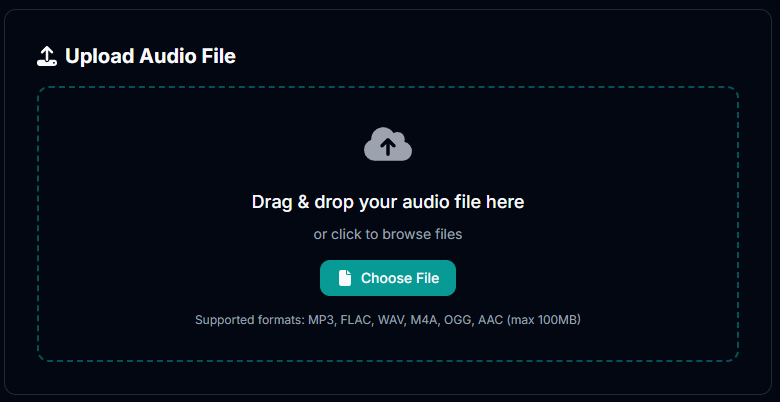
Pro tip: Clean up the audio before uploading. Remove background noise and boost the volume in audio editing software. This helps the recognition algorithms work better.
Some AI-powered song finders work better with isolated audio than video files. Test different file formats if the first attempt fails.
2. Utilising Community Forums and Social Networks
Rave communities on Reddit and specialized forums have deep knowledge of old electronic music. Post your video clips in relevant subreddits like r/IdentifyThisTrack or r/electronicmusic.
Key forums to try:
- Discogs forums (electronic music section)
- Reddit r/ukrave and r/oldschoolrave
- Facebook groups for specific rave scenes
- Classic rave Facebook communities
Include details like the year, location, or DJ name if known. Many community members were active in the scene and recognize tracks instantly.
YouTube comments on similar videos often contain track IDs. Search for other videos from the same event or DJ set. Other viewers frequently identify songs in the comments.
Create short audio clips (10-15 seconds) of the clearest parts. This makes it easier for people to help identify the track quickly.
3. Exploring Video Metadata and Song Credits
Check video descriptions and titles for hidden clues about track names or artists. Many uploaders include partial information that helps narrow your search.
Look for DJ names, event details, or record label mentions in the video title. Cross-reference this information with discography databases like Discogs or Beatport.
Metadata to examine:
- Video upload date
- Channel name and description
- Tags and categories
- Related video suggestions
YouTube’s algorithm often groups similar content together. Browse related videos from the same time period or DJ to find track lists or set information.
Some old rave videos include on-screen text with song information. Pause at transitions between tracks to catch any displayed credits or titles.
Contact the video uploader directly through comments or messages. They may have the original track list or remember details about the recording.
Verdict: Why TrackSniff Works Best for Ravers
TrackSniff delivers the most accurate results for underground electronic music tracks. The platform specializes in rave genres that other music recognition apps often miss.
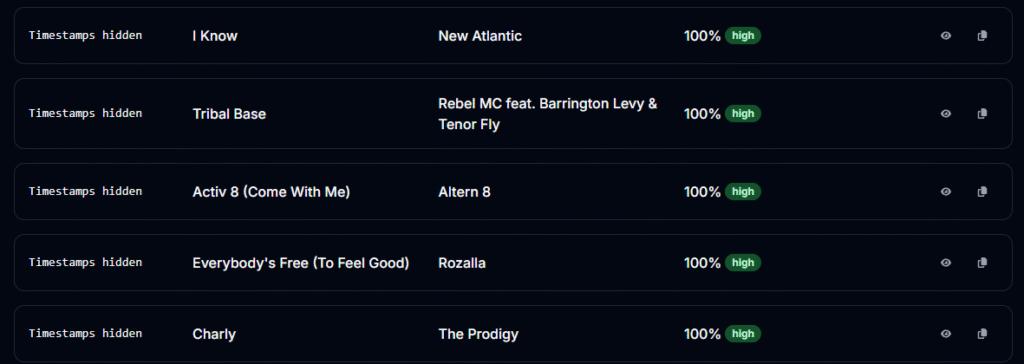
Key advantages for ravers:
- Genre expertise: Built specifically for techno, trance, and hardcore
- Historical database: Covers tracks from 1990s warehouse parties to modern raves
- Audio clarity tools: Works with low-quality bootleg recordings
- Community input: Ravers contribute track IDs and corrections

You get better matches because TrackSniff understands rave music structure. It recognizes long buildup sections and identifies tracks even when mixed with others.

The platform handles compressed audio files that would challenge standard apps. Most rave videos use lower bitrates, but TrackSniff adapts to these conditions.
Processing capabilities:
| Feature | TrackSniff | Generic Apps |
|---|---|---|
| Underground tracks | ✓ | Limited |
| Mixed recordings | ✓ | ✗ |
| 90s rave music | ✓ | ✗ |
| Community database | ✓ | ✗ |
Your search results includes remix information and mix timestamps (for pro and elite users). The latter helps you find the exact moment when each track starts in longer sets.
The rave-focused approach means you spend less time searching through irrelevant results. TrackSniff filters out mainstream pop and focuses on electronic music variants that matter to your scene.

- Reddit Track ID Alternatives: Top Options & Community Insights - November 28, 2025
- How to Find Tracks Used by DJs on SoundCloud: Complete Guide - November 28, 2025
- TrackSniff Adds SoundCloud Support - November 28, 2025